A husband who shot his wife de@d in a pub car park after learning she wanted to end their marriage left a voice note detailing how he hoped they would meet again in heaven. Edward Smith tracked down Lisa Smith on Valentines Day this year after he discovered she wanted out of their relationship. He shot her before taking his own life, an inquest has heard. The woman, 43, was shot twice in the neck in Knockholt, Kent, on February 14. He found her at the popular pub before blocking her car in with his and firing four shots with a handgun, Kent and Medway Coroners Court was told. After k!lling her on the spot, he jumped from the Queen Elizabeth II Bridge in Dartford. After shooting his partner, Mr Smith, also known as Edvard Stockings, sent voice notes to someone he called Nana saying Ive shot Lisa shes dead. In one of the voice notes he said hopefully Im going to get into heaven with my wife after alluding to su!cide. Lisa Smitg had informed her sister she was leaving her husband earlier that day, and had got on a train from their home in Slough, Berkshire, to stay with family in Kent. On Wednesday, September 17, Area Coroner Katrina Hepburn concluded Ms Smith did from unlawful k!lling and found requisite intent from Edward Smith to k!ll her or cause her really serious harm. Detective Sergeant James Dolby told the court that Ms Smith was picked up at Orpington station by her friends and sister shortly before they went to the Horseshoe Pub. Just before 7pm, Ms Smith was in the passenger seat of her friend Nancys Seat in the pub car park when her husband arrived, having called her and her friends multiple times while looking for her. A verbal altercation broke out between him and Ms Smiths sister, Laura, who called him a narcissist inside the pub, before he got back into his car and left. Mr Dolby said: At 18.59 Nancy reverses her Seat onto Harrow Road and stops to speak with Laura. Edward manoeuvres his vehicle to stop Nancy from exiting Effectively Edward has blocked them in. The first two shots from his handgun were fired from inside his own vehicle, the court heard. The coroner said: He pulled forward in the car and fired a second shot, he was seen to exit the vehicle with arms outstretched holding a handgun and firing a shot through the drivers side car window. It was this third shot that caused f@tal damage to Ms Smiths neck, before he came around to the passenger side and fired at her again from close range.Four shots were fired, the first two from within his vehicle towards the Seat. There were no injuries consistent with the trajectory of those first two bullets, Ms Hepburn said. On Wednesday morning, Ms Smiths father asked the detective why they had not driven away after the first two shots. Youd have started up and gone, wouldnt you? he asked. It happened very quickly, Mr Dolby explained. Despite CPR from members of the public and emergency services, Ms Smith did from her injuries at 7.42 p.m. Setting out her conclusion, the coroner said: I am satisfied on the balance of probabilities that a short form conclusion of unlawful k!lling would be safe and appropriate to set out in this manner. There was intent to find Lisa Smith after she had left her home address and once she was found the car she was seated in was blocked preventing any exit. The post Chilling voice notes left by husband after f@tally shooting wife because she tried to flee their marriage appeared first on Linda Ikeji Blog.

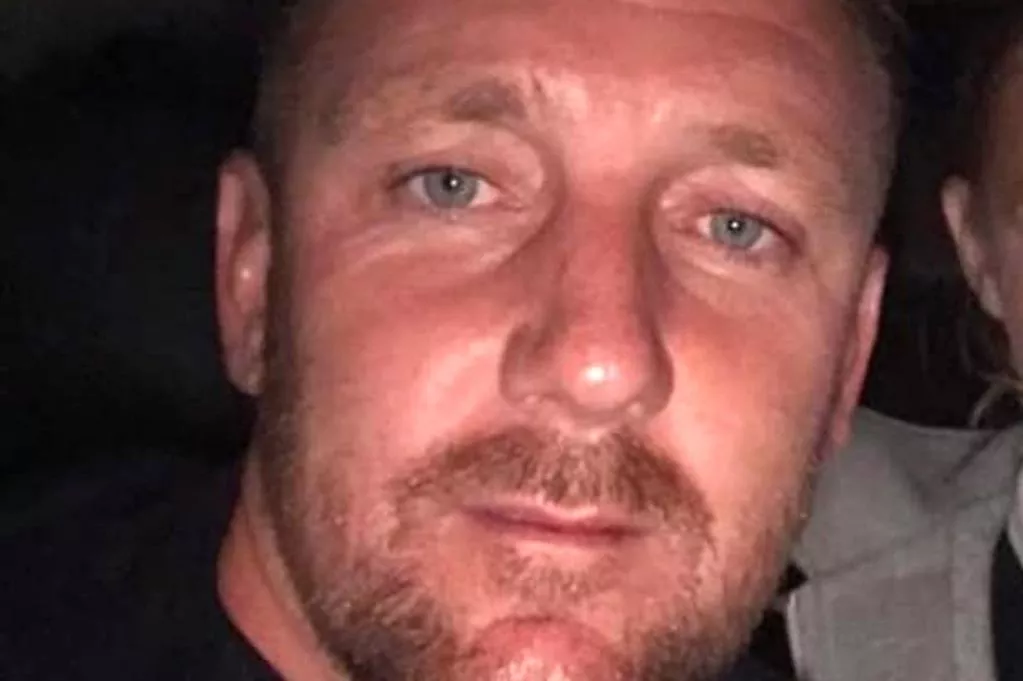 A husband who shot his wife de@d in a pub car park after learning she wanted to end their marriage left a voice note detailing how he hoped they would meet again in heaven. Edward Smith tracked down Lisa Smith on Valentines Day this year after he discovered she wanted out of their relationship.
  He shot her before taking his own life, an inquest has heard. The woman, 43, was shot twice in the neck in Knockholt, Kent, on February 14. He found her at the popular pub before blocking her car in with his and firing four shots with a handgun, Kent and Medway Coroners Court was told. After k!lling her on the spot, he jumped from the Queen Elizabeth II Bridge in Dartford.
 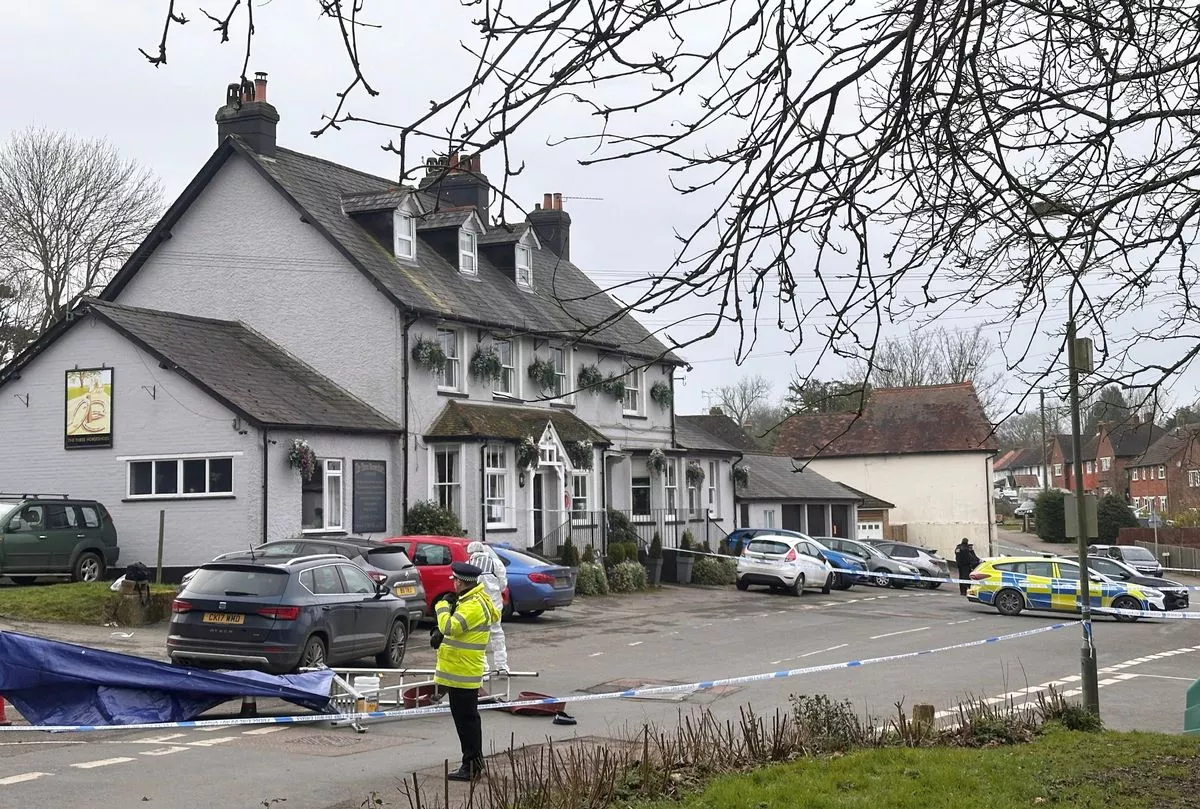 After shooting his partner, Mr Smith, also known as Edvard Stockings, sent voice notes to someone he called Nana saying Ive shot Lisa shes dead. In one of the voice notes he said hopefully Im going to get into heaven with my wife after alluding to su!cide. Lisa Smitg had informed her sister she was leaving her husband earlier that day, and had got on a train from their home in Slough, Berkshire, to stay with family in Kent. On Wednesday, September 17, Area Coroner Katrina Hepburn concluded Ms Smith did from unlawful k!lling and found requisite intent from Edward Smith to k!ll her or cause her really serious harm. Detective Sergeant James Dolby told the court that Ms Smith was picked up at Orpington station by her friends and sister shortly before they went to the Horseshoe Pub. Just before 7pm, Ms Smith was in the passenger seat of her friend Nancys Seat in the pub car park when her husband arrived, having called her and her friends multiple times while looking for her. A verbal altercation broke out between him and Ms Smiths sister, Laura, who called him a narcissist inside the pub, before he got back into his car and left. Mr Dolby said: At 18.59 Nancy reverses her Seat onto Harrow Road and stops to speak with Laura. Edward manoeuvres his vehicle to stop Nancy from exiting Effectively Edward has blocked them in. The first two shots from his handgun were fired from inside his own vehicle, the court heard. The coroner said: He pulled forward in the car and fired a second shot, he was seen to exit the vehicle with arms outstretched holding a handgun and firing a shot through the drivers side car window. It was this third shot that caused f@tal damage to Ms Smiths neck, before he came around to the passenger side and fired at her again from close range.Four shots were fired, the first two from within his vehicle towards the Seat. There were no injuries consistent with the trajectory of those first two bullets, Ms Hepburn said. On Wednesday morning, Ms Smiths father asked the detective why they had not driven away after the first two shots. Youd have started up and gone, wouldnt you? he asked. It happened very quickly, Mr Dolby explained. Despite CPR from members of the public and emergency services, Ms Smith did from her injuries at 7.42 p.m. Setting out her conclusion, the coroner said: I am satisfied on the balance of probabilities that a short form conclusion of unlawful k!lling would be safe and appropriate to set out in this manner. There was intent to find Lisa Smith after she had left her home address and once she was found the car she was seated in was blocked preventing any exit. The post Chilling voice notes left by husband after f@tally shooting wife because she tried to flee their marriage appeared first on Linda Ikeji Blog.