Former President Goodluck Jonathan has denied reports claiming he accused the late President Muhammadu Buhari of having links with Boko Haram, saying his comments were misrepresented. In a statement issued by his media aide, Ikechukwu Eze, on October 4, Jonathan said he never suggested or implied that Buhari had any connection with the terrorist group or supported it in any way. On Friday, while speaking at the public presentation of Scars, a book written by Lucky Irabor, former chief of defence staff (CDS), Jonathan said Boko Haram once nominated Buhari, his successor, to negotiate on their behalf with the federal government. Jonathan, who served as president from 2010 to 2015, said the insurgents mentioned Buhari after his administration set up committees to explore dialogue with the group. However, Garba Shehu, former spokesperson to Buhari, refuted the claim as false and politically motivated. Eze said Jonathans comments were part of a broader reflection on Nigerias security challenges and were meant to highlight the deceptive tactics employed by Boko Haram in its early days.The attention of the Office of Former President Goodluck Ebele Jonathan has been drawn to misleading reports circulating in sections of the media suggesting that Dr Jonathan alleged that Boko Haram nominated the late President Muhammadu Buhari, GCFR, to represent them in dialogue with the Federal Government, and therefore this made him somehow complicit in the Boko Haram crisis.We wish to make it abundantly clear that the former Presidents comments were grossly misrepresented. At no time did Dr Jonathan suggest, imply, or insinuate that President Buhari had any connection with Boko Haram or that he supported the group in any form. Dr Jonathans remarks, made in the course of a broader discussion on Nigerias security challenges, were meant to illustrate the deviousness and manipulative strategies employed by Boko Haram in their early years. His reference was to a well-documented episode when various individuals and factions falsely claimed to represent the terrorist group and purported to name prominent Nigerians as possible mediators, without those individuals knowledge or consent. The point Dr Jonathan sought to make was that Boko Haram, in its characteristic deceit, often invoked the names of respected public figures to sow confusion, exploit political divisions, and undermine public confidence in government. His comments were therefore an illustration of the groups duplicity, not an accusation against the late former president or any individual, for that matter. The former presidents position was that if indeed Buhari was their choice negotiator, why didnt Boko Haram expeditiously bring their evil terrorist agenda to an end when the retired General became president? For the avoidance of doubt, Dr Jonathan recognises that President Muhammadu Buhari, like every patriotic Nigerian, stood firmly against terrorism and was himself a target of Boko Haram violence. Both men, during their respective tenures, shared a common commitment to restoring peace and stability to Nigeria. Eze asked Nigerians to disregard any misinterpretation remarks, adding that the former president remains committed to peace, unity, and the strengthening of democratic values in Nigeria. The post I never accused Buhari of links to Boko Haram – Goodluck Jonathan appeared first on Linda Ikeji Blog.

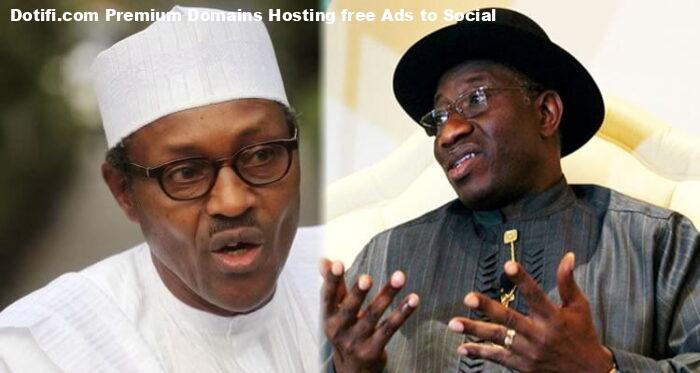 Former President Goodluck Jonathan has denied reports claiming he accused the late President Muhammadu Buhari of having links with Boko Haram, saying his comments were misrepresented. In a statement issued by his media aide, Ikechukwu Eze, on October 4, Jonathan said he never suggested or implied that Buhari had any connection with the terrorist group or supported it in any way. On Friday, while speaking at the public presentation of Scars, a book written by Lucky Irabor, former chief of defence staff (CDS), Jonathan said Boko Haram once nominated Buhari, his successor, to negotiate on their behalf with the federal government. Jonathan, who served as president from 2010 to 2015, said the insurgents mentioned Buhari after his administration set up committees to explore dialogue with the group. However, Garba Shehu, former spokesperson to Buhari, refuted the claim as false and politically motivated. Eze said Jonathans comments were part of a broader reflection on Nigerias security challenges and were meant to highlight the deceptive tactics employed by Boko Haram in its early days.The attention of the Office of Former President Goodluck Ebele Jonathan has been drawn to misleading reports circulating in sections of the media suggesting that Dr Jonathan alleged that Boko Haram nominated the late President Muhammadu Buhari, GCFR, to represent them in dialogue with the Federal Government, and therefore this made him somehow complicit in the Boko Haram crisis.We wish to make it abundantly clear that the former Presidents comments were grossly misrepresented. At no time did Dr Jonathan suggest, imply, or insinuate that President Buhari had any connection with Boko Haram or that he supported the group in any form. Dr Jonathans remarks, made in the course of a broader discussion on Nigerias security challenges, were meant to illustrate the deviousness and manipulative strategies employed by Boko Haram in their early years. His reference was to a well-documented episode when various individuals and factions falsely claimed to represent the terrorist group and purported to name prominent Nigerians as possible mediators, without those individuals knowledge or consent. The point Dr Jonathan sought to make was that Boko Haram, in its characteristic deceit, often invoked the names of respected public figures to sow confusion, exploit political divisions, and undermine public confidence in government. His comments were therefore an illustration of the groups duplicity, not an accusation against the late former president or any individual, for that matter. The former presidents position was that if indeed Buhari was their choice negotiator, why didnt Boko Haram expeditiously bring their evil terrorist agenda to an end when the retired General became president? For the avoidance of doubt, Dr Jonathan recognises that President Muhammadu Buhari, like every patriotic Nigerian, stood firmly against terrorism and was himself a target of Boko Haram violence. Both men, during their respective tenures, shared a common commitment to restoring peace and stability to Nigeria. Eze asked Nigerians to disregard any misinterpretation remarks, adding that the former president remains committed to peace, unity, and the strengthening of democratic values in Nigeria. The post I never accused Buhari of links to Boko Haram – Goodluck Jonathan appeared first on Linda Ikeji Blog.